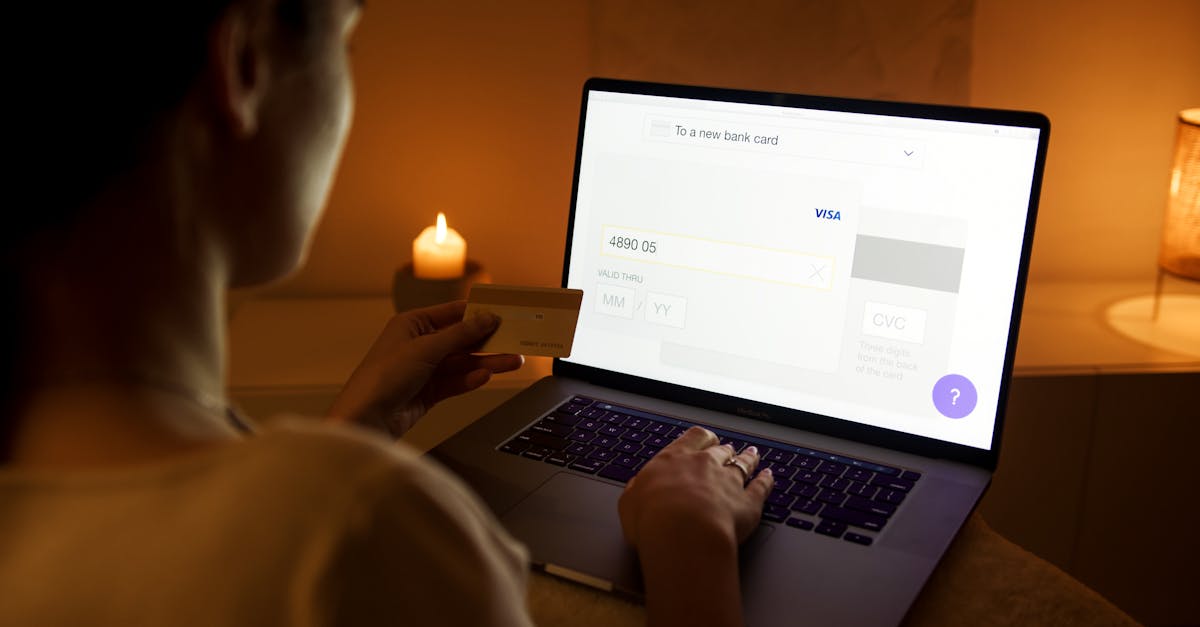
Digital Banks Versus Traditional Banks: Which One Keeps Your Financial Privacy Safer?
When I first started managing my finances, the choice was simple: you went to a brick-and-mortar bank. My parents always spoke about the security of having a physical branch, a place you could walk into if there was a problem. In recent years, however, the landscape has shifted dramatically, with digital-only banks promising convenience, lower fees, and often, advanced technology. This has led many, including myself, to wonder if the traditional wisdom about security still holds, especially concerning something as critical as financial privacy.
I’ve personally navigated both worlds, from the comfort of a local credit union to the sleek interfaces of several challenger banks. What I’ve found is that the answer isn’t as straightforward as ‘old is safer’ or ‘new is better.’ Both have inherent strengths and weaknesses when it comes to safeguarding your private financial data. The mistake I see most often is assuming that the latest tech automatically equates to better privacy, or conversely, that a physical building makes you impervious to digital threats. What changed everything for me was understanding the mechanisms of privacy protection in each model, allowing me to make informed decisions rather than relying on outdated assumptions or marketing hype.
Key Takeaways
- Digital banks often excel in data encryption and real-time fraud monitoring due to their tech-first approach.
- Traditional banks provide the option of in-person assistance, which can be crucial for complex privacy breaches.
- Your personal habits, like using strong, unique passwords, are often more critical than the bank type itself.
- Understand both a bank’s internal security protocols and its third-party data-sharing policies to assess true privacy.
Digital Banks Offer Robust Encryption and Real-Time Monitoring
One of the most compelling arguments for digital banks is their inherent focus on technology. Unlike traditional banks that have had to retrofit digital capabilities onto legacy systems, digital banks are built from the ground up with modern cybersecurity in mind. This often translates to a higher baseline for data encryption and more sophisticated real-time fraud detection. In my experience, the push notifications from digital banks about suspicious activity are almost instantaneous, often before I’ve even finished a transaction, giving me a sense of immediate control and awareness.
For example, many digital banks utilize end-to-end encryption for all data transmissions, meaning your financial information is scrambled from the moment it leaves your device until it reaches the bank’s secure servers, and vice-versa. This minimizes the risk of eavesdropping or interception during online transactions. They also heavily invest in AI and machine learning algorithms to constantly monitor transaction patterns. If a purchase deviates significantly from your usual spending habits—say, a large international transfer when you typically only make local debit card purchases—these systems flag it instantly. Traditional banks certainly have these capabilities, but the integration and speed of response can sometimes be hampered by older infrastructure. What truly works is a system designed from its foundation to anticipate and mitigate digital threats, which digital banks are uniquely positioned to offer.
Traditional Banks Provide a Physical Recourse and Established Regulatory Compliance
While digital banks might have the edge in cutting-edge tech, traditional banks offer a different kind of security: the tangible reassurance of a physical presence and decades, sometimes centuries, of established regulatory compliance. When a privacy concern arises with a digital bank, your primary recourse is often through online chat, email, or a phone call. This can feel impersonal and frustrating, especially if the issue is complex or time-sensitive.
With a traditional bank, you can walk into a branch and speak to a human being, face-to-face, about your concerns. This personal interaction, in my experience, can make a significant difference in resolving sensitive privacy matters. Furthermore, traditional banks operate under a deeply ingrained framework of banking laws and regulations designed to protect consumer data, often predating the widespread use of the internet. While digital banks also comply with these regulations (and new ones specific to their model), the sheer history and oversight of traditional institutions can instill a greater sense of trust, particularly for those who prefer proven methods over emergent ones. For example, if your debit card information is compromised and used for fraudulent online purchases, a traditional bank might have a more streamlined, in-person process for affidavit completion and immediate card replacement, giving you peace of mind in a stressful situation.
Data Sharing and Third-Party Integrations are Critical Privacy Factors
Beyond direct security measures, a major differentiator in financial privacy lies in a bank’s policies on data sharing and third-party integrations. Digital banks, in their quest for convenience and integration, often encourage linking with a multitude of budgeting apps, investment platforms, and other fintech services. While these integrations offer incredible utility, each connection represents an additional point of data exposure. Before signing up, what changed everything for me was a thorough review of their data-sharing policies. I look for clear statements on what data is shared, with whom, and under what circumstances.
Traditional banks, while also engaging in third-party partnerships, tend to have more conservative approaches, often requiring explicit consent for each integration. The mistake I see most often is blindly agreeing to terms and conditions without understanding the implications. Both types of banks collect vast amounts of your personal and transactional data. The key is understanding how that data is used, anonymized, and shared. A critical question to ask is whether your data is used for targeted advertising by third parties. Always check privacy policies for opt-out clauses for data sharing, and be discerning about which third-party apps you grant access to your financial accounts, regardless of whether you use a digital or traditional bank.
The Role of Personal Responsibility in Financial Privacy
Ultimately, no matter how secure your bank is—digital or traditional—your personal habits play the most significant role in protecting your financial privacy. I’ve learned this the hard way through minor scares that could have been avoided with better practices. The most sophisticated encryption and fraud detection systems can be bypassed by a weak password or a careless click on a phishing email.
What truly works is a multi-layered approach to personal security:
- Strong, Unique Passwords: Use a password manager to create and store complex, unique passwords for every financial account. Never reuse passwords.
- Two-Factor Authentication (2FA): Always enable 2FA, preferably using an authenticator app or a hardware key over SMS, which can be vulnerable to SIM-swapping attacks.
- Vigilant Phishing Awareness: Be suspicious of unsolicited emails, texts, or calls asking for personal financial information. Banks will never ask for your full password or PIN via email.
- Secure Wi-Fi: Avoid conducting banking transactions over public, unsecure Wi-Fi networks. If you must, use a Virtual Private Network (VPN).
- Regular Account Monitoring: Check your bank statements and transaction history regularly for any unauthorized activity. The faster you catch an issue, the easier it is to resolve.
In my experience, even the best bank security is only as strong as the weakest link, and often, that link is the account holder. Taking proactive steps ensures that you’re not only relying on your bank’s safeguards but reinforcing them with your own responsible digital citizenship.
Regulatory Landscape: A Level Playing Field with Nuances
It’s a common misconception that digital banks are less regulated than their traditional counterparts. In reality, both are subject to the same core financial regulations within their operating jurisdictions. In the United States, for instance, both types of banks must adhere to laws like the Gramm-Leach-Bliley Act (GLBA) for privacy and the Electronic Fund Transfer Act (EFTA) for consumer protections. Deposits in both are typically insured by the Federal Deposit Insurance Corporation (FDIC) up to the statutory limits, provided they are legitimate, chartered banks.
The nuance lies in how these regulations are applied and interpreted in rapidly evolving technological environments. Regulators are constantly playing catch-up with the innovations introduced by digital banks, leading to new guidelines and oversight specific to fintech. This means digital banks are often at the forefront of implementing new compliance measures, while traditional banks might adapt existing frameworks. From my perspective, this creates a somewhat level playing field regarding official protections, but the implementation can differ. Always verify that any digital bank you consider is fully licensed and FDIC-insured, just as you would with a traditional bank. This due diligence ensures that, regardless of the bank’s model, a fundamental layer of trust and consumer protection is in place.
Frequently Asked Questions
Do digital banks sell my data more often than traditional banks?
Not necessarily. Both digital and traditional banks collect and may share your data, often with third-party partners for services or marketing. The key is to carefully read their privacy policies. Digital banks, due to their integrated nature, might have more third-party integrations, but reputable ones typically provide clear opt-out options for data sharing beyond essential services. Your consent is crucial.
Is my money safer in a traditional bank or a digital bank?
Your money’s safety, in terms of loss due to bank failure, is largely equivalent if both are FDIC-insured. Most legitimate digital banks operate under banking charters that provide this federal insurance. For privacy and security against fraud, both have robust measures, but digital banks often leverage advanced tech for real-time monitoring, while traditional banks offer the option of in-person support for resolutions.
What should I do if I suspect a privacy breach with my bank?
Regardless of your bank type, immediately contact your bank’s fraud department. Explain the situation clearly, detailing any suspicious activity. Change your passwords for all financial accounts and enable 2FA. For digital banks, use their in-app chat or dedicated fraud hotline. For traditional banks, visiting a branch in person can often expedite the resolution process.
Can a digital bank be hacked more easily?
Not inherently. Both digital and traditional banks face sophisticated cyber threats. Digital banks often have the advantage of building their infrastructure with modern security protocols from the ground up, including advanced encryption and AI-driven threat detection. Traditional banks have strong security teams but sometimes grapple with integrating new tech into older systems. Your personal online habits are often a greater vulnerability than the bank’s system itself.
Are there specific features I should look for in a bank for better privacy?
Yes. Look for banks that offer strong encryption, multi-factor authentication, clear and transparent data-sharing policies with easy opt-out options, real-time transaction alerts, and robust fraud monitoring systems. Both digital and traditional banks can offer these, but the emphasis and execution may vary.
In my journey to find financial peace of mind, I’ve come to understand that both digital and traditional banking models have their merits and drawbacks when it comes to privacy. The real difference isn’t about which one is inherently ‘better,’ but which one aligns best with your personal needs for convenience, human interaction, and, most importantly, your commitment to personal online security habits. Take the time to research, ask questions, and become an active participant in safeguarding your own financial information. Your peace of mind is worth the effort.
Written by Mark Evans
Financial wellness, home management, and practical skill-building
A former entrepreneur who thrives on finding efficient and practical solutions for everyday challenges.
You Might Also Like

The 20-Degree Rule for Home Cooling: Why Most Advice Misses the Mark
Discover why the common '20-degree difference' rule for home cooling can waste money and how to optimize your thermostat for real savings.

The 20 Percent Rule for Retirement Savings: More Than Just a Number
Discover why the 20 percent rule for retirement savings isn't just a guideline, but a strategic imperative for financial security.

A Beginner's Guide to Simple Investment Portfolio Management
Learn to manage your investment portfolio with practical, actionable steps for beginners. Build a resilient portfolio without overwhelming complexity.