Online Therapy Versus In-Person Care: Choosing What's Best for Your Mental Well-being
For years, when I felt overwhelmed, stressed, or simply needed to talk through life’s complexities, the default assumption was always to find a local therapist’s office. The scent of essential oils, the soft lighting, the hushed tones – it was a familiar ritual of seeking help. But in the last five years, a new contender has emerged, challenging this tradition: online therapy. I’ve personally experienced both modalities, initially resistant to the idea of virtual sessions, believing they couldn’t possibly offer the same depth. Yet, what I discovered through my own journey, and through countless conversations with others, is that the choice isn’t about one being inherently ‘better’ than the other. It’s about a nuanced alignment between your specific needs, your lifestyle, and what genuinely facilitates your healing and growth.
Key Takeaways
- Online therapy offers unmatched accessibility and flexibility, fitting into busy schedules without sacrificing consistency.
- In-person therapy often provides a richer non-verbal communication environment, which can be crucial for some therapeutic approaches.
- Consider your comfort with technology and the privacy of your home environment when deciding between virtual and traditional sessions.
- Evaluate the depth of your therapeutic needs; complex trauma or severe conditions might benefit more from the direct engagement of in-person care.
The Unexpected Accessibility of Online Therapy
What changed everything for me regarding online therapy was the sheer accessibility and flexibility it offered, especially during a period of intense work travel. When I was regularly flying between time zones, maintaining consistent in-person appointments was a constant source of stress, ironically adding to the very issues I was trying to address. I’d rush from the airport, dreading traffic, often arriving late and feeling flustered, which wasn’t conducive to opening up. With online therapy, my sessions seamlessly integrated into my schedule. I could have a session from a quiet hotel room before a meeting, or even from my living room between household chores. This wasn’t just about convenience; it was about consistency. My therapy didn’t get pushed aside or canceled due to logistical hurdles. This consistent engagement, even if through a screen, proved to be far more impactful than sporadic, rushed in-person meetings. I found that I was more likely to stick with it, which is arguably the most crucial factor in therapeutic success. For those with physical limitations, demanding jobs, or living in rural areas with limited mental health resources, online therapy isn’t just an option; it’s a lifeline. It democratizes access to care in a way traditional models simply cannot.
The Nuance of Non-Verbal Communication in In-Person Settings
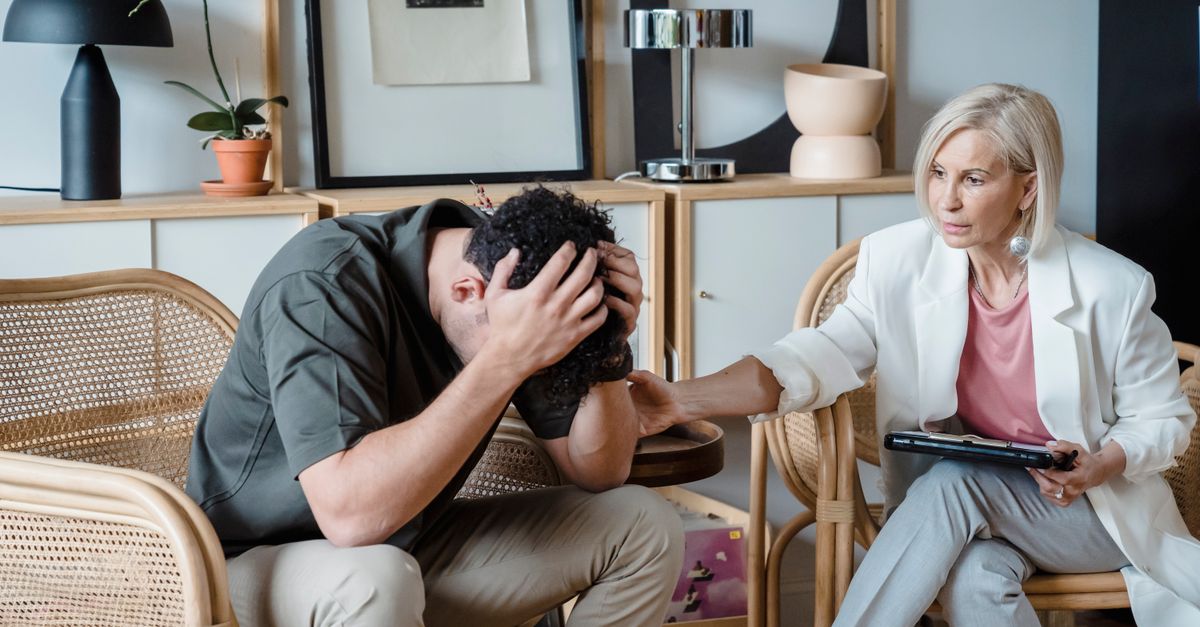
However, in my experience, online therapy isn’t a perfect substitute for every situation, especially when it comes to the nuance of non-verbal communication. There’s an undeniable richness to being in the same physical space as your therapist. The subtle shifts in posture, the way hands are clasped or unclasped, the slight tremor in a foot that indicates anxiety – these are data points that, while sometimes discernible on video, are often amplified and more readily interpreted in person. For some therapeutic modalities, particularly those involving somatic experiences or trauma work, this full-body presence can be invaluable. I recall a period where I was processing a particularly complex grief, and my in-person therapist’s ability to simply be in the room with me, to hold space with their physical presence, felt profoundly grounding in a way a video call could not entirely replicate. It’s not just about what is seen, but what is felt – the unspoken resonance that can occur in a shared physical environment. The mistake I see most often is people dismissing the importance of this, especially if their issues involve deep-seated emotional patterns that manifest physically.
Privacy and Comfort: The Unseen Variables
When choosing between online and in-person, privacy and comfort in your chosen environment are critical, yet often overlooked, variables. With online therapy, the convenience of being at home can quickly turn into a challenge if your home isn’t a truly private space. Are roommates listening in? Are children likely to interrupt? Is your internet connection stable enough to avoid frustrating disruptions? I’ve had clients try to do sessions from their car in a parking lot just to get a moment of solitude. While commendable for their dedication, it raises questions about the quality of the therapeutic container. In contrast, an in-person office provides a dedicated, neutral, and confidential space specifically designed for therapy. There are no laundry piles calling your name, no doorbell ringing, no family members walking past. This dedicated space can signal to your brain that ‘this is therapy time,’ helping you fully engage. What changed everything for me was realizing that true privacy isn’t just about nobody listening; it’s about feeling secure and uninterrupted enough to be completely vulnerable.
Matching Modality to Therapeutic Needs
The most impactful lesson I’ve learned is to match the modality to the depth and nature of your therapeutic needs. For managing general life stress, anxiety, relationship issues, or developing coping skills, online therapy can be incredibly effective. The cognitive work, skill-building, and emotional processing can happen just as readily through a screen. However, for more complex presentations – such as severe trauma, deeply ingrained personality disorders, or conditions requiring intensive, crisis-oriented support – the structure, immediacy, and comprehensive assessment opportunities of in-person care often provide a more robust framework. In my experience, situations where safety planning is crucial, or where non-verbal cues from dissociation or extreme distress are paramount, benefit significantly from direct, in-person engagement. It’s not a rigid rule, but rather a spectrum. Think of it this way: learning to swim can start in a calm pool (online), but navigating strong currents might require a lifeguard by your side (in-person). Understanding this distinction can prevent frustration and ensure you’re getting the most appropriate level of care.
Cost and Logistics: Beyond the Session Fee
Finally, it’s vital to consider cost and logistics beyond just the session fee. While online therapy often appears cheaper on a per-session basis, especially if you consider services that operate on a subscription model, the true cost equation is more complex. In-person therapy might have a higher nominal fee, but does it include better insurance coverage? Does your health savings account (HSA) cover it more readily? Then there are the hidden costs: for in-person, think about travel time, gas, parking, or public transport fares. For online, consider any required tech upgrades, a more robust internet plan, or even investing in noise-canceling headphones for privacy. What changed everything for me was creating a realistic total cost calculation. I once calculated that the time I spent commuting to therapy, plus gas and parking, added almost 30% to the effective cost of an in-person session. This kind of holistic assessment can reveal surprising savings or highlight overlooked expenses, making your decision truly informed.
Frequently Asked Questions
Is online therapy as effective as in-person therapy?
Yes, for many common mental health conditions like anxiety, depression, and general stress, research indicates online therapy can be just as effective as in-person therapy. However, effectiveness can vary based on the individual’s specific needs, the severity of their condition, and the therapeutic approach used.
Can online therapy provide privacy and confidentiality?
Reputable online therapy platforms are legally and ethically bound to maintain confidentiality and privacy, using encrypted connections and secure data storage. However, your personal environment at home plays a critical role. It’s crucial to ensure you have a private, uninterrupted space for sessions to maximize confidentiality.
What are the main benefits of online therapy?
The primary benefits of online therapy include increased accessibility, greater flexibility in scheduling, reduced travel time and costs, and access to a wider pool of therapists regardless of geographic location. It can also make seeking help less intimidating for some individuals.
When is in-person therapy a better choice?
In-person therapy may be a better choice for individuals dealing with severe mental health conditions, complex trauma, conditions requiring intensive crisis intervention, or those who benefit significantly from non-verbal cues and the physical presence of a therapist. It also provides a dedicated, distraction-free environment.
How do I choose between online and in-person therapy?
Consider your specific mental health needs, your comfort level with technology, the privacy of your home environment, your schedule flexibility, and the overall cost (including hidden expenses like travel). It’s also wise to discuss your options with a mental health professional to get personalized recommendations.
Choosing the right path for your mental well-being is a personal decision, one that evolves as your life and needs change. Whether you lean towards the convenience of online therapy or the traditional comfort of an in-person office, the most important step is to prioritize your mental health and seek the support you deserve. Begin by evaluating your current situation and what kind of support feels most aligned with your goals for growth.
Written by Emily Rodriguez
Lifestyle design, travel, and health & well-being
A former marketing professional who loves exploring new hobbies and embracing creative endeavors.
You Might Also Like

Eight Hours Isn't Enough: Why Most People Still Feel Tired (And How to Actually Rest)
Discover why eight hours of sleep often leaves you drained and learn actionable strategies for truly restorative rest and energy.