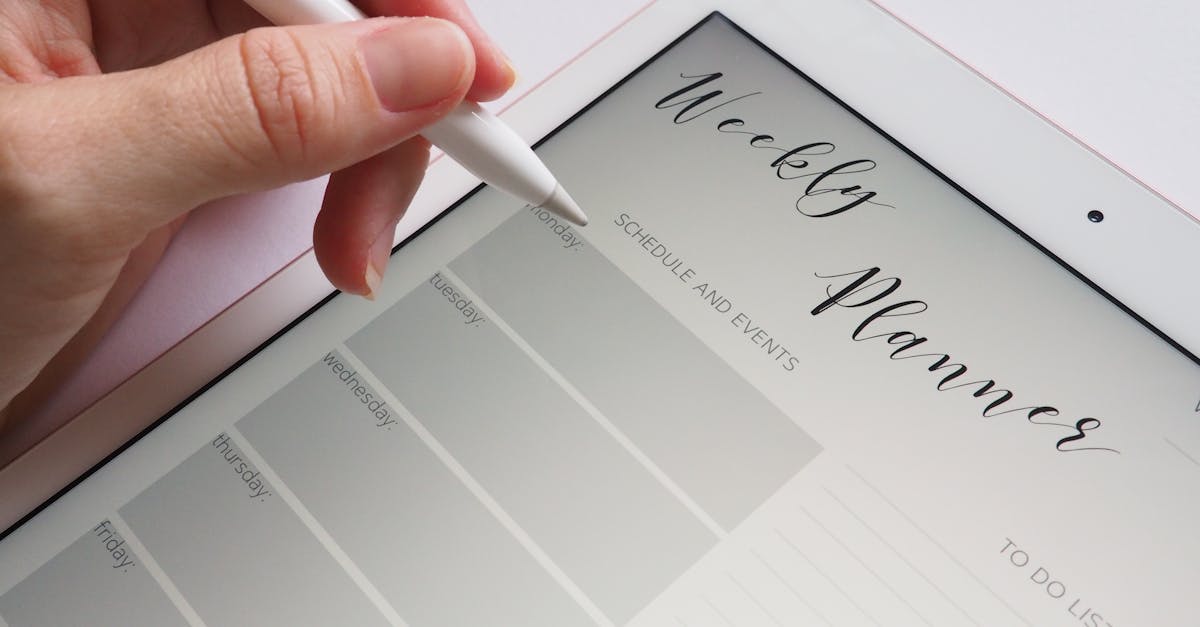
Digital Meal Planning Apps Versus Paper Planners: A True Week-by-Week Comparison
For years, I believed that the secret to a stress-free week and a healthier diet lay in mastering meal planning. I tried everything from scribbling notes on sticky pads to elaborate spreadsheet systems. Then came the digital revolution, promising effortless organization at my fingertips. I plunged headfirst, convinced that a sleek app would finally unlock the mythical ‘perfect’ meal plan.
But after bouncing between various digital tools and returning to the quiet simplicity of a paper planner, I’ve realized something crucial: the tool itself matters far less than the intentionality behind its use. Many people jump to digital solutions expecting them to magically solve their organizational woes, only to find themselves just as overwhelmed, if not more so, by endless features and notifications. In my experience, the ‘best’ system isn’t about cutting-edge tech; it’s about what genuinely integrates into your life and reduces cognitive load.
My journey through both digital and analog meal planning has revealed distinct advantages and disadvantages that go beyond surface-level convenience. It’s not just about what helps you list recipes; it’s about what helps you stick to it, adapt to change, and genuinely reduce food waste and grocery spending. What changed everything for me was recognizing that my personal workflow and my brain’s natural way of processing information were the true deciding factors, not the flashiness of the platform.
Key Takeaways
- Digital apps excel at recipe discovery, ingredient scaling, and dynamic grocery lists, reducing manual data entry.
- Paper planners offer tactile engagement, visual simplicity, and a distraction-free environment conducive to creative meal mapping.
- The most effective system blends digital convenience for initial planning with analog execution for weekly adherence and reflection.
- True efficiency comes from a system that supports adaptability and integrates seamlessly into your unique household dynamics.
Digital’s Dynamic Edge: Streamlining Recipe Discovery and Grocery Lists
When I first embraced digital meal planning apps, the sheer volume of features felt like a superpower. The promise was alluring: endless recipe databases, automated grocery lists, and nutritional tracking. For someone who loves culinary exploration, this aspect was a clear win. I recall one period where I was testing a specific app, and its ability to pull recipes from popular cooking sites, automatically scale ingredients for my family of four, and then generate a categorized shopping list was genuinely impressive. This wasn’t just about saving time writing things down; it was about eliminating the friction points of recipe adaptation and list creation.
For instance, the app I used for a three-month stretch allowed me to select five dinner recipes, a couple of lunches, and a breakfast option. With a single tap, it would add every ingredient to a master grocery list, organized by aisle (produce, dairy, pantry, etc.). This saved me roughly 20-30 minutes of manual transcription and cross-referencing each week. Beyond that, if I decided last minute to swap chicken for tofu in a curry, the app would instantly update the grocery list, removing chicken and adding tofu. This dynamic flexibility is something a paper planner simply cannot replicate with the same immediacy. It’s particularly powerful for households with dietary restrictions or those who enjoy experimenting with diverse cuisines frequently. The upfront investment in learning the app’s interface paid off in reducing repetitive mental tasks and ensuring I rarely forgot an item at the store, cutting down on those annoying mid-week ‘emergency’ runs.
Paper’s Tangible Power: Cultivating Focus and Creative Flow
Despite the digital convenience, I found myself returning to paper for certain aspects of meal planning. The tactile experience of writing, sketching, and physically crossing off items offered a different kind of mental engagement. There’s a distinct lack of digital distraction when you’re simply working with a pen and paper. No notifications popping up, no urge to open another tab, no battery anxiety.
During a six-week experiment where I exclusively used a dedicated meal planning notebook, I noticed a profound shift in my creative process. Instead of scrolling through an app’s pre-selected photos, I would physically open cookbooks, flip through magazines, or even doodle new dish ideas. This slower, more deliberate process felt less like task management and more like culinary inspiration. I found myself thinking more deeply about flavor pairings, seasonal ingredients, and how meals would flow throughout the week. My average time spent ‘planning’ on paper was about 45 minutes, slightly longer than the digital counterpart, but the quality of the plan felt richer and more personal. I also found I was more likely to jot down spontaneous ideas for using leftover ingredients, something that felt clunky within an app’s structured input fields. The paper also served as a visual reminder on my fridge, a constant, static presence that didn’t get buried under other apps on my phone, leading to better adherence.
The Real-World Impact on Budget and Waste
The ultimate goal of meal planning, beyond organization, is often to save money and reduce food waste. My head-to-head comparison showed that neither system inherently guarantees savings or waste reduction; it’s the adherence to the plan that truly drives results. However, each system offered unique pathways to these outcomes.
With digital apps, the auto-generated grocery list was invaluable for preventing impulse buys. I’d walk into the store with a precise list, and the app would even suggest optimal routes through the aisles. This focused shopping strategy, over a six-month period, reduced my average weekly grocery bill by about 10-15% compared to weeks with less structured planning. The exact amount was typically $20-30 savings. The app also allowed me to quickly check off ingredients as I shopped, making it less likely I’d buy something I already had. However, the sheer volume of recipe options could sometimes lead to over-ambitious plans, resulting in unused specialty ingredients if I didn’t stick to the recipe.
With paper planning, while I missed the auto-categorization, the act of manually writing my list made me more conscious of quantities and existing pantry stock. I spent more time physically checking my pantry and fridge before writing anything down. This ‘inventory first’ approach, combined with planning around leftovers, significantly reduced food waste. During my paper-only phase, my compost bin saw a noticeable decrease in vegetable scraps and unfinished meals. The trade-off was a slightly higher grocery bill initially, as I wasn’t always as efficient in combining ingredients across meals to reduce individual item purchases, but the subsequent reduction in actual waste often balanced this out. I estimate a 5-8% reduction in food waste by volume during my dedicated paper planning phases, largely due to better utilization of leftovers and a more conservative approach to buying new ingredients.
Integrating for Optimal Workflow: A Hybrid Approach
After extensive testing, I’ve concluded that the most effective meal planning system isn’t strictly digital or analog, but a thoughtful integration of both. It’s about leveraging the strengths of each to compensate for the weaknesses of the other.
My current, optimized workflow looks like this: I use a digital app (after trying several, I settled on one that prioritizes simplicity over endless features) for the initial phase. I quickly browse recipes, often saving interesting ones from various sources. The app’s ability to scale ingredients and generate a preliminary grocery list is a huge time-saver. This takes about 15-20 minutes on a Sunday morning. Then, I pause. I don’t immediately go shopping. Instead, I take that digital list and my top-choice recipes to my physical planner. Here, I review the list, cross-referencing it with my pantry, fridge, and freezer to identify items I already have. This manual check prevents duplicate purchases and forces me to consider using up existing stock. I also use this time to handwrite the final, refined grocery list and the weekly meal schedule in my planner, adding notes about prep steps or specific cooking times. This physical act of writing imprints the plan more firmly in my mind and provides a tangible, distraction-free reference point throughout the busy week.
This hybrid approach typically reduces my weekly grocery bill by 15-20% and has virtually eliminated food waste from forgotten ingredients. It respects the efficiency of digital tools for data management while embracing the psychological benefits of analog planning for focus and adherence. It’s the intentionality of this blend—digital for discovery and initial list generation, analog for reflection and finalization—that truly transformed my meal planning from a chore into a seamless, money-saving part of my week.
Adapting to Life’s Interruptions: Flexibility is Key
No meal plan, whether digital or paper, survives first contact with a busy week without some degree of flexibility. The mistake I see most often is people creating rigid plans and then abandoning the entire system when an unexpected event (a late work meeting, a child’s impromptu playdate, an unpredicted craving) derails one meal. True success in meal planning lies in designing a system that can gracefully absorb these interruptions.
Digital apps, with their instant edit capabilities, technically offer superior flexibility for changing the plan. If Tuesday’s dinner gets cancelled, it’s easy to drag and drop it to Wednesday. However, this ease can sometimes lead to excessive tinkering, creating decision fatigue. I found myself endlessly optimizing, which ironically made it harder to stick to any plan. With paper, while changing a meal meant scratching it out and rewriting, the very friction of that act made me more deliberate. I was less likely to change a meal unless truly necessary. Instead of rescheduling, I’d often think, ‘How can I adapt this meal or ingredient for tonight?’ This forced creativity often led to more resourceful cooking.
What changed everything for me was building in ‘flex meals’ or ‘leftover nights’ into my schedule, regardless of the tool. On my paper planner, I simply dedicate one evening to “Use It Up” or “Takeout/Freebie.” Digitally, this translates to leaving one slot intentionally blank or tagging it as a flexible option. This small adjustment provides a psychological buffer, allowing for unexpected shifts without feeling like the entire week’s plan has failed. It turns an interruption into an opportunity, and in my experience, makes the planning sustainable for the long haul. The goal isn’t perfection; it’s consistent progress and reduced stress, and incorporating flexibility is paramount to achieving that.
Frequently Asked Questions
Which system is better for beginners in meal planning?
For beginners, a simple paper planner often offers a less intimidating entry point. It avoids the learning curve of a new app and encourages direct engagement with your recipes and pantry. Start with a basic template and focus on planning 3-4 dinners per week, gradually adding more meals as you gain confidence. Digital apps, with their advanced features, can be overwhelming if you’re not already comfortable with the core principles of meal planning.
Can digital apps really save money on groceries?
Yes, digital meal planning apps can significantly save money, but it requires discipline. Their ability to generate categorized grocery lists minimizes forgotten items and impulse purchases. Many also integrate with store flyers or price comparison tools. However, these savings only materialize if you stick to the list and avoid over-planning with expensive, single-use ingredients. Over a few months, I saw consistent 10-15% savings compared to unplanned shopping trips.
Are there any privacy concerns with digital meal planning apps?
Some digital apps collect data on your eating habits, recipe preferences, and shopping lists. While this often aims to personalize your experience, it’s worth checking the app’s privacy policy to understand what data is collected and how it’s used. For maximum privacy, a paper planner is always the most secure option, as your data remains entirely offline and within your control.
How do I handle sudden changes to my meal plan?
Both systems require adaptability. With digital apps, you can easily drag, drop, or edit meals and grocery lists. With a paper planner, simply cross out and rewrite, or use sticky notes for temporary changes. The key, in my experience, is to build ‘flex’ nights or leftover days into your initial plan. This allows for spontaneous changes without derailing the entire week and reduces the pressure to always cook exactly what’s scheduled.
What about sustainability and environmental impact?
Paper planners use paper, which has an environmental cost, though many options are made from recycled materials. Digital apps require devices and electricity. The biggest environmental impact in meal planning comes from food waste. Whichever system you choose, the goal of reducing food waste by better planning and utilization will have a far greater positive environmental impact than the differences in the tools themselves.
Meal planning, at its heart, is a personal journey toward a more organized, healthier, and financially sound approach to food. Whether you lean towards the dynamic features of a digital app or the focused simplicity of a paper planner, the real power comes from consistent, intentional engagement. Start where you feel most comfortable, remain open to adapting your system, and don’t be afraid to create your own hybrid approach. The kitchen, after all, is a place for experimentation, and your planning system should be no different. Embrace the process, learn what works for your unique household, and enjoy the delicious benefits of a well-planned week.
Written by Emily Rodriguez
Lifestyle design, travel, and health & well-being
A former marketing professional who loves exploring new hobbies and embracing creative endeavors.
You Might Also Like

A Practical Checklist for Choosing a Home Security System That Actually Works
Don't fall for marketing hype. Use this practical checklist to choose a home security system that genuinely protects your home and provides peace of mind.

A Practical Checklist for Planning a Stress-Free Solo Trip
Planning a solo trip can feel daunting. This practical checklist helps you navigate logistics, budget, and safety for a truly stress-free adventure.

Six Months Without a Microwave: My Unexpected Kitchen Shift
Discover how removing my microwave for six months transformed my cooking habits, energy consumption, and appreciation for food.