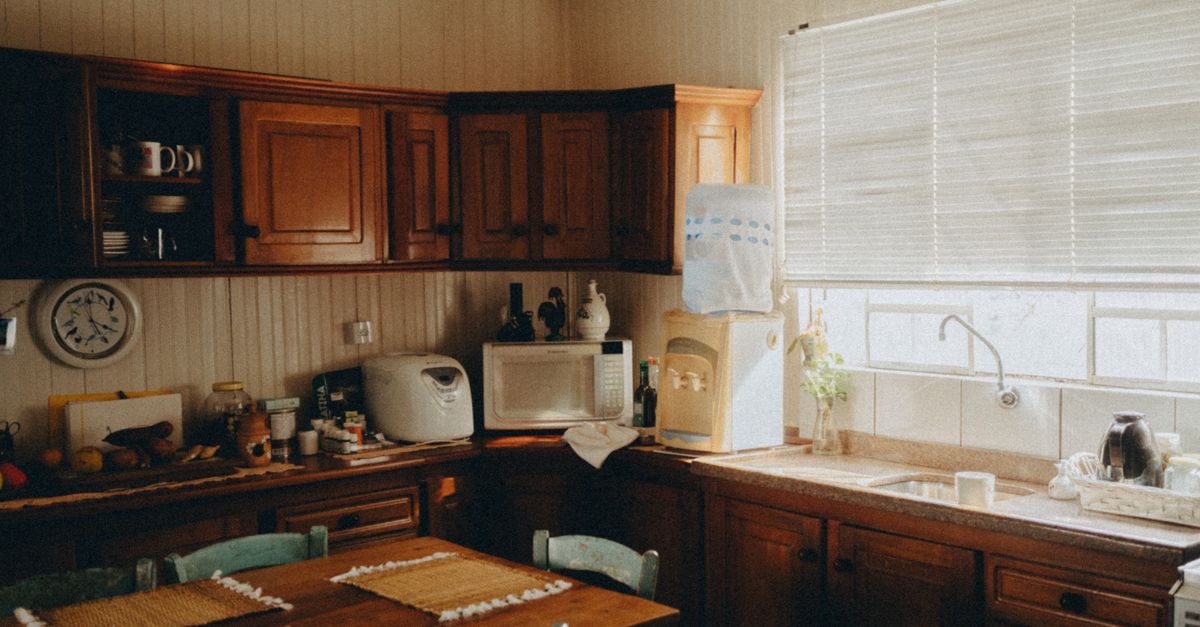
Six Months Without a Microwave: My Unexpected Kitchen Shift
When my old microwave finally sputtered its last zap six months ago, I faced a choice: immediately replace it, or try living without one for a while. Like many, I’d come to see the microwave as an indispensable kitchen appliance, a cornerstone of quick meals and instant gratification. It reheated leftovers in seconds, thawed frozen dinners in minutes, and boiled water faster than a kettle. The thought of its absence felt like a significant inconvenience, a step backward in modern kitchen efficiency. Yet, something in me was curious. Could I adapt? Would I actually save money? More importantly, would it force me to rethink my relationship with food and cooking? What unfolded over the next half-year was an unexpected journey, transforming not just my kitchen routine, but my entire approach to daily meals, energy use, and even my appreciation for the simple act of preparing food.
Key Takeaways
- Eliminating the microwave forced a return to more intentional cooking methods, improving food quality and flavor.
- I discovered significant savings on electricity and reduced reliance on processed, microwave-specific meals.
- The shift fostered a greater connection to the cooking process and my food, turning meal preparation into a mindful activity.
- Adapting to alternative reheating and cooking methods built new kitchen skills and confidence.
Reclaiming the Stove: Flavor Over Speed
The most immediate and profound change I experienced after removing the microwave was a forced return to traditional cooking methods. Before, a plate of leftover pasta would go straight into the microwave for 90 seconds. Now, it required a small saucepan with a splash of water or broth, gently heated on the stove. The difference in taste was astonishing. Pasta, reheated this way, didn’t become rubbery or dry in spots; it regained its original texture, the sauce loosening beautifully. Scrambled eggs, previously a quick zap, were now warmed in a skillet, often with a knob of butter, emerging creamy and delicious.
In my experience, the mistake I see most often is people sacrificing flavor for speed. We’ve been conditioned to believe that ‘fast’ equals ‘good enough,’ especially for everyday meals. What changed everything for me was realizing that the extra few minutes on the stovetop or in a toaster oven didn’t just reheat food; it revitalized it. Soups simmered gently developed deeper flavors. Roasted vegetables, crisped in the oven, tasted almost as good as fresh. This shift wasn’t just about avoiding a soggy microwave meal; it was about rediscovering the true potential of my leftovers and convenience foods. I found myself looking forward to reheated meals, not just tolerating them. It cultivated a sense of respect for the food itself, encouraging me to treat it with care even in its second life.
The Unexpected Energy and Financial Savings
One of the practical benefits I anticipated, but underestimated, was the potential for energy savings. A typical microwave uses between 600 and 1,200 watts of power, and while individual zaps are short, they add up. Over six months, consistently using my stove, toaster oven, and even an electric kettle for boiling water, I noticed a subtle but definite dip in my electricity bill. It wasn’t a dramatic reduction, but consistently around $5-$8 lower each month. Annually, that’s a savings of $60-$96 – enough to offset the cost of some higher-quality ingredients or a nice kitchen tool.
Beyond electricity, the absence of a microwave subtly nudged me away from purchasing microwave-specific convenience foods. Those frozen meals, ‘ready in 3 minutes,’ often come with a premium price tag and less-than-ideal nutritional profiles. Without the instant solution, I naturally gravitated towards preparing more meals from scratch, utilizing fresh ingredients, and freezing larger batches of homemade food in portion-sized containers. This led to a noticeable reduction in my grocery bill, as I wasn’t paying for the convenience factor of pre-packaged, microwaveable items. The tradeoff of a few extra minutes in preparation was more than compensated by the financial benefits and the improved quality of my diet. The shift in my shopping habits was almost subconscious at first, but over time, it became a deliberate choice to prioritize whole foods and mindful preparation.
A Deeper Connection to Food and Cooking
Perhaps the most profound shift for me was the psychological one. The microwave, for all its convenience, often felt like a barrier between me and the act of cooking. It was a black box where food went in, and a hot (sometimes inconsistently so) version came out. Without it, I was compelled to engage more directly with my food. Instead of just pressing buttons, I was stirring, observing, and adjusting.
This re-engagement fostered a greater sense of mindfulness around meals. When I made a cup of tea, I now boiled water in a kettle on the stove, listening to its gentle whistle, rather than the jarring beep of the microwave. Heating up a plate of food meant standing by the stove for a few minutes, which often became a moment of quiet reflection during a busy day. It wasn’t a chore; it became a small ritual. This increased attention helped me appreciate the textures, aromas, and flavors of my food more fully. It turned meal preparation into a mini-meditation, a welcome break from the relentless pace of modern life. I found myself savoring meals more, truly experiencing the nourishment, rather than just consuming it quickly.
Mastering New Kitchen Alternatives
Embracing life without a microwave required learning (or re-learning) alternative methods for tasks I once delegated to the magic box. For reheating, the toaster oven became my new best friend for anything crispy: pizza slices, baked potatoes, and even small portions of roasted chicken. It yields far superior results than a microwave, delivering a satisfying crispness instead of a chewy texture. For liquids and saucy dishes, a small saucepan on the stove was invaluable. It allowed for gentle, even reheating without drying out the food.
When it came to thawing, planning became key. Moving items from the freezer to the fridge the night before became a standard practice. For quicker thawing in a pinch, a cold water bath for sealed bags was effective, albeit slower than a microwave. Boiling water for drinks or instant oatmeal became the domain of my electric kettle, which, surprisingly, often boils water just as fast, if not faster, than my microwave ever did, with less energy consumption.
What changed everything for me was the realization that these alternative tools weren’t just substitutes; they were often superior. They offered more control, better results, and, in many cases, were more energy-efficient for the specific task. This period of adaptation wasn’t about deprivation; it was about expanding my culinary toolkit and developing a more versatile, less reliant approach to cooking.
Frequently Asked Questions
Is it difficult to live without a microwave?
Initially, it can feel like a significant adjustment, especially if you rely heavily on the microwave for quick meals and reheating. However, with a few weeks of adaptation and by utilizing alternative appliances like a stove, oven, or toaster oven, it becomes surprisingly manageable and often leads to improved food quality.
What are the main alternatives for reheating food without a microwave?
For crispy items like pizza or baked goods, a toaster oven or conventional oven works best. For liquids, soups, and saucy dishes, a small saucepan on the stove is ideal. Smaller solid foods can often be reheated in a skillet with a little oil or butter.
Can I save money on electricity by not using a microwave?
Yes, while the individual power consumption of a microwave is high for short bursts, consistently eliminating its use can lead to modest, but noticeable, savings on your electricity bill over time. The larger savings often come from reducing reliance on expensive microwave-specific convenience foods.
How do you boil water without a microwave?
An electric kettle is the most efficient and fastest way to boil water for tea, coffee, or instant meals. Alternatively, a regular kettle on the stovetop works just as effectively.
How do you thaw frozen food quickly without a microwave?
The safest and most recommended method is to plan ahead and thaw food in the refrigerator overnight. For quicker thawing, place food in a sealed, airtight bag and submerge it in cold water, changing the water every 30 minutes. Avoid using hot water, as it can encourage bacterial growth.
The Long-Term Gains of a Microwave-Free Kitchen
Six months ago, the idea of removing my microwave seemed daunting, a return to a more primitive way of cooking. Today, I don’t miss it. My kitchen feels more intentional, my meals taste better, and I’ve developed a deeper, more mindful relationship with food preparation. The small inconveniences of a few extra minutes are far outweighed by the enhanced flavors, the subtle financial savings, and the quiet satisfaction of engaging more fully with every meal. If you’re considering a similar experiment, I encourage you to embrace the challenge. You might just discover that true kitchen efficiency isn’t about speed alone, but about savoring the process and the delicious results.
Written by Emily Rodriguez
Lifestyle design, travel, and health & well-being
A former marketing professional who loves exploring new hobbies and embracing creative endeavors.
You Might Also Like
A Practical Checklist for Choosing a Home Security System That Actually Works
Don't fall for marketing hype. Use this practical checklist to choose a home security system that genuinely protects your home and provides peace of mind.

A Practical Checklist for Planning a Stress-Free Solo Trip
Planning a solo trip can feel daunting. This practical checklist helps you navigate logistics, budget, and safety for a truly stress-free adventure.
Digital Meal Planning Apps Versus Paper Planners: A True Week-by-Week Comparison
I tested digital meal planning apps and traditional paper planners head-to-head for efficiency, flexibility, and cost savings. Discover which one truly streamlined my kitchen.